Every Building Should Have a Job
In adaptive reuse, the most important question isn't what a building was. It's what a building could become.
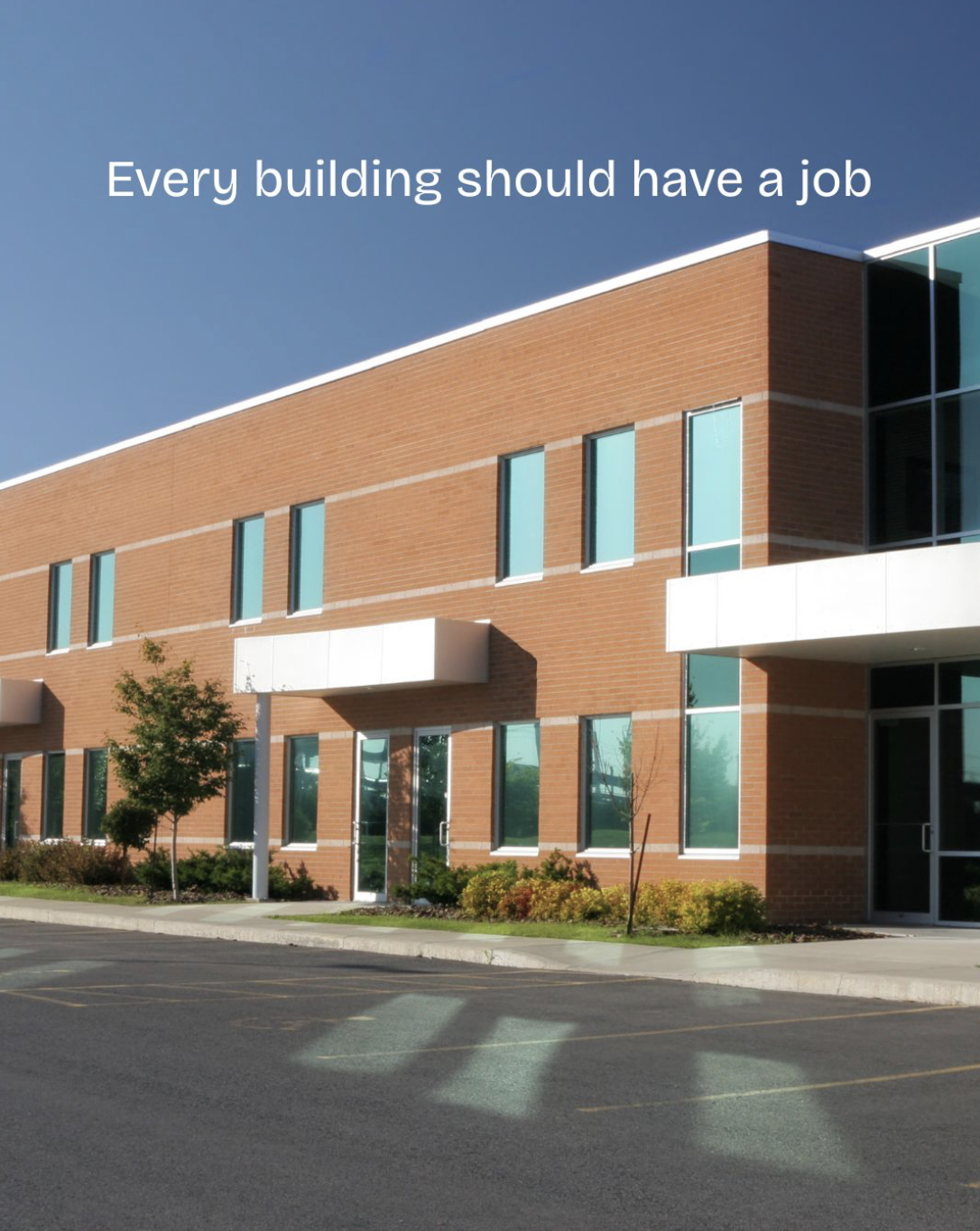
Buildings are designed for a purpose, and sometimes they serve that purpose for decades. But communities change, industries evolve, and technology reshapes how we work and live. Eventually, a building may no longer be suited to the job it was originally built to do.
That doesn't necessarily mean it has outlived its usefulness.
In adaptive reuse, one of the most important questions isn't, “What was this building?” It's, “What could this building become?”
An outdated office building might become housing. An obsolete industrial property might become a home for new businesses. An underutilized commercial building might become an anchor for neighborhood revitalization.
The location, infrastructure, building structure, and economics all matter. But so does the potential that already exists.
At Urbana Systems, we approach development by looking for that potential. Adaptive reuse isn't simply about preserving an old building. It's about finding a new purpose that creates value for both the property and the community around it.
Every building should have a job. Sometimes, our job is helping it find its next one.
— Larry Greene, Chief Real Estate Development Officer, Urbana Systems; Gen3 Development.